
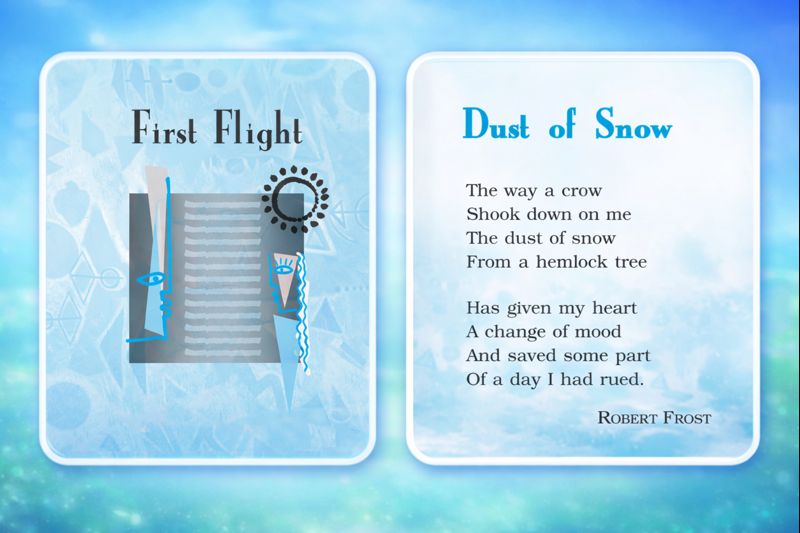
This page helps students revise the poem clearly and quickly. Dust of Snow class 10 is explained with an easy-to-follow summary, NCERT solutions, and exam-focused question answers. You will find a dust of snow poem explanation, class 10 dust of snow question answer sets, extra questions with answers, and grammar-based practice useful for boards. Important ideas like the dust of snow central idea, meaning, and poetic devices are covered in simple language. These class 10 english dust of snow notes are designed for quick revision, concept clarity, and confident exam preparation.
Table of Contents
dust of snow summary
- English summary
You have had days when everything feels heavy and wrong, haven’t you? Imagine that mood changing because of one tiny, unexpected moment in nature. That is exactly what happens in this short but powerful poem.
The poem shows how a small, simple incident changes the poet’s unhappy mood. At first, the poet feels regret about his day, but an unexpected touch of nature lifts his heart. Because of this change, part of his ruined day is saved.
The poem begins quietly, in a cold, winter setting. The poet is standing outdoors, already upset and filled with regret about how his day is going. He does not explain the reason, but he clearly says the day is one he has rued, meaning he feels sorry and unhappy about it. At that moment, something ordinary but surprising happens. A crow, a dark and usually disliked bird, is sitting above him. As it moves, it suddenly shakes a fine dust of snow down onto the poet. The poet notices “The way a crow / Shook down on me” the snow, making this small action the starting point of change.
The snow does not fall from a beautiful or gentle tree. It comes from a hemlock tree, a plant known for being poisonous and linked with sadness. This detail matters because both the bird and the tree are symbols of gloom. Yet the moment is not harmful. The snow is light, soft, and brief. The poet describes it as “The dust of snow / From a hemlock tree.” The snow lands on him suddenly, almost like a cold surprise. There is no warning, no grand event—just a quiet fall of snow caused by a simple movement of the crow.
This unexpected moment immediately affects the poet’s feelings. The cold snow and the sudden action break his chain of unhappy thoughts. He does not remain stuck in regret. Instead, he feels a shift inside himself. He says that this moment “Has given my heart / A change of mood.” The sadness that filled him begins to lift. His heart feels lighter, and his mind moves away from whatever was troubling him before. The poem does not exaggerate the change, but it makes it clear that the effect is real and meaningful.
By the end, the poet reflects on what this small moment has done for him. He explains that it “saved some part / Of a day I had rued.” The entire day is not magically fixed, but it is no longer completely wasted. A tiny experience with nature has helped him recover emotionally. The poem ends calmly, showing that even a brief and ordinary moment can bring relief and quiet hope when it is least expected.
Crow – unexpected – causes the fall of snow
Poet – regretful – experiences a change of mood
Hemlock tree – gloomy – source of the falling snow
The poem teaches you that even a small, unplanned moment can change how you feel. It reminds you that when a day seems ruined, something simple can still bring relief and save it.
dust of snow Hindi summary
तुम्हारे साथ भी ऐसे दिन आए होंगे जब सब कुछ भारी और गलत-सा लगता है, है न? सोचो, अगर प्रकृति के एक छोटे-से, अचानक पल से वही मनोदशा बदल जाए तो कैसा लगेगा। इस छोटी लेकिन असरदार कविता में ठीक यही होता है।
यह कविता दिखाती है कि कैसे एक छोटा और साधारण-सा हादसा कवि के दुखी मन को बदल देता है। शुरुआत में कवि अपने दिन को लेकर पछतावे में होता है, लेकिन प्रकृति का एक अनपेक्षित स्पर्श उसके दिल को हल्का कर देता है। इस बदलाव की वजह से उसका खराब हुआ दिन पूरी तरह बर्बाद होने से बच जाता है।
कविता की शुरुआत चुपचाप, ठंडी सर्दियों के माहौल में होती है। कवि बाहर खड़ा है और पहले से ही परेशान है। उसका मन अपने दिन को लेकर पछतावे से भरा हुआ है। वह यह नहीं बताता कि ऐसा क्यों है, लेकिन साफ कहता है कि वह दिन ऐसा है जिसे उसने rued किया है, यानी जिस पर उसे अफसोस और दुख है। उसी पल कुछ साधारण लेकिन चौंकाने वाला होता है। एक crow, जो एक काला और आम तौर पर पसंद न किया जाने वाला पक्षी है, उसके ऊपर बैठा होता है। जैसे ही वह हिलता है, वह अचानक कवि पर बर्फ की बारीक-सी dust of snow गिरा देता है। कवि इस पल को याद करता है—“The way a crow / Shook down on me”—और यही छोटा-सा काम उसके मन में बदलाव की शुरुआत बन जाता है।
वह बर्फ किसी सुंदर या कोमल पेड़ से नहीं गिरती। वह एक hemlock tree से आती है, जो एक जहरीला पौधा है और उदासी से जुड़ा माना जाता है। यह बात इसलिए महत्वपूर्ण है क्योंकि पक्षी और पेड़ दोनों ही उदासी के प्रतीक हैं। फिर भी वह पल नुकसान पहुँचाने वाला नहीं होता। बर्फ हल्की होती है, नरम होती है और बहुत थोड़ी देर के लिए होती है। कवि इसे “The dust of snow / From a hemlock tree” कहकर बताता है। बर्फ अचानक उस पर गिरती है, जैसे ठंडा-सा झटका हो। इसमें कोई चेतावनी नहीं होती, कोई बड़ा हादसा नहीं—बस कौए की एक छोटी-सी हरकत से बर्फ का शांत गिरना।
यह अनपेक्षित पल तुरंत कवि की भावनाओं को बदल देता है। ठंडी बर्फ और अचानक हुई यह घटना उसके दुखी विचारों की कड़ी को तोड़ देती है। वह पछतावे में अटका नहीं रहता। इसके बजाय उसे अपने अंदर एक बदलाव महसूस होता है। वह कहता है कि इस पल ने “Has given my heart / A change of mood।” जो उदासी उसके दिल में भरी थी, वह धीरे-धीरे कम होने लगती है। उसका दिल हल्का महसूस करने लगता है और उसका मन उन बातों से हटने लगता है जो पहले उसे परेशान कर रही थीं। कविता इस बदलाव को बढ़ा-चढ़ाकर नहीं दिखाती, लेकिन साफ करती है कि इसका असर सच्चा और गहरा है।
अंत में कवि सोचता है कि इस छोटे-से पल ने उसके लिए क्या किया। वह बताता है कि इसने “saved some part / Of a day I had rued।” पूरा दिन कोई जादू से ठीक नहीं हो जाता, लेकिन वह पूरी तरह बेकार भी नहीं रहता। प्रकृति के इस छोटे-से अनुभव ने उसे भावनात्मक रूप से संभलने में मदद की। कविता शांति से खत्म होती है और यह दिखाती है कि कभी-कभी बहुत छोटा और साधारण-सा पल भी राहत और शांत उम्मीद ला सकता है, खासकर तब जब उसकी सबसे कम उम्मीद हो।
Crow – अप्रत्याशित – बर्फ गिरने का कारण बनता है
Poet – पछतावा करने वाला – मनोदशा में बदलाव अनुभव करता है
Hemlock tree – उदास – गिरती हुई बर्फ का स्रोत
यह कविता तुम्हें सिखाती है कि एक छोटा-सा, बिना सोचा-समझा पल भी तुम्हारे एहसास बदल सकता है। यह याद दिलाती है कि जब कोई दिन पूरी तरह बिगड़ा हुआ लगे, तब भी कोई साधारण-सी बात राहत दे सकती है और उस दिन को बचा सकती है।
dust of snow Keywords with meanings:
- Crow – a black bird often seen as mysterious or gloomy
- Hemlock – a poisonous tree with small white flowers
- Dust of snow – light snow falling like dust
- Mood – how someone feels emotionally
- Change of mood – feeling differently, often better
- Regret – feeling sorry about something that happened
- Nature – plants, animals, and the world around us
- Symbolism – using objects to represent ideas or feelings
- Important Phrases :
- “The way a crow shook down on me”
- “The dust of snow from a hemlock tree”
- “Has given my heart a change of mood”
- “And saved some part of a day I had rued”
- “Always, always a larger significance…”
- “A little thing touches a larger thing.”
dust of snow question answer
Text based questions and answers
Q1. What is a dust of snow?
Answer:A dust of snow means a light sprinkling of snow that looks like dust falling from a tree. It is not heavy snow but small particles that gently fall down. In the poem, this dust of snow falls from a hemlock tree and changes the poet’s mood. This small natural event plays an important role in the poem’s message.
Q2. What does the poet say has changed his mood?
Answer:The poet says that when a crow shook down dust-like snow from a hemlock tree onto him, it changed his mood completely. The small act of snow falling on him lifted his spirit and saved part of his day from being ruined. This shows how little things in nature can have a big effect on us.
Q3. How has the poet’s mood changed?
Answer:The poet’s mood changed from sadness or regret to feeling hopeful and happier. Before the dust of snow fell, he was upset about the day, but the snow shaken down by the crow made his heart feel better. This shows how nature can bring sudden positive change to our emotions.
Q4. How does Frost present nature in this poem?
Answer:Frost presents nature as a powerful and surprising force that can affect human feelings deeply. Though the crow and hemlock tree are not usually seen as beautiful, they bring joy and hope. Nature, through small things like a dust of snow, can lift our spirits even in bad times.
Q5. What are the birds that are usually named in poems? Do you think a crow is often mentioned in poems? What images come to your mind when you think of a crow?
Answer:Usually, birds like doves, robins, and nightingales are named in poems because they seem beautiful and peaceful. A crow is rarely mentioned and is often linked with darkness or death. When we think of a crow, we imagine a black bird that looks mysterious, gloomy, or unlucky.
Q6. Again, what is a hemlock tree? Why doesn’t the poet write about a more beautiful tree such as a maple, or an oak, or a pine?
Answer:A hemlock tree is a poisonous tree with small white flowers. It is not a grand or beautiful tree like maple or oak. The poet uses hemlock to show that even things we think are ugly or harmful can bring something positive, like the dust of snow that changed his mood.
Q7. What do the crow and hemlock represent—joy or sorrow?
Answer:In this poem, the crow and hemlock represent joy and hope, not sorrow. Though they might seem dark or sad symbols, they surprisingly bring happiness by causing the dust of snow to fall, which changes the poet’s mood for the better.
Q8. What does the dust of snow that the crow shakes off a hemlock tree stand for?
Answer: The dust of snow stands for a small but powerful moment of change. It symbolizes nature’s ability to lift our spirits unexpectedly. This small falling snow dust saved part of the poet’s day from regret and sadness.
Q9. Have there been times when you felt depressed or hopeless? Have you experienced a similar moment that changed your mood that day?
Answer: Many people sometimes feel sad or hopeless, but small moments can help us feel better. Just like the poet’s dust of snow, anything like a kind word, a smile, or a beautiful scene in nature can change our mood and give us hope. These moments remind us to look for good things, even on bad days.
dust of snow Grammar
- Do as directed: Fill in the blank with the correct tense of the verb.
- The crow ______ (shake) down dust of snow from the hemlock tree.
- Do as directed: Change the sentence into passive voice.
- The crow shook down the dust of snow on the poet.
- Do as directed: Change the sentence into indirect speech.
- The poet said, “The dust of snow has changed my mood.”
- Do as directed: Fill in the blanks with appropriate articles (a, an, the, or no article).
- He was walking on ______ cold winter day when ______ crow shook down dust of snow.
- Do as directed: Fill in the blanks with suitable prepositions.
- The dust of snow fell ______ the poet as he walked ______ the tree.
- Do as directed: Use the correct modal verb to complete the sentence.
- The poet ______ have felt sad before the dust of snow fell.
- Do as directed: Combine the two sentences using “although.”
- The crow is not a beautiful bird. It brought happiness to the poet.
- Do as directed: Form a question from the following sentence.
- The crow shook down dust of snow on the poet.
- Do as directed: Change the sentence into negative form.
- The dust of snow saved part of the poet’s day.
- Do as directed: Spot and correct the error in the sentence.
- The hemlock tree is a beautiful tree covered with white flowers.
- Do as directed: Fill in the blanks using the correct tense of verbs.
- The poet ______ (feel) sad, but the dust of snow ______ (change) his mood.
- Do as directed: Change the following sentence into active voice.
- The poem was written by Robert Frost.
- Do as directed: Rewrite the sentence using a comparative form.
- The crow is darker than many other birds.
- Do as directed: Complete the cloze test using words from the chapter.
- The dust of snow from the ______ tree has given my heart a change of ______.
- Do as directed: Convert the direct speech into indirect speech.
- The poet said, “A little thing touches a larger thing.”
Here are the grammar Questions answers
- The crow shook
- The dust of snow was shaken down on the poet by the crow.
- The poet said that the dust of snow had changed his mood.
- a, a
- on, near
- must
- Although the crow is not a beautiful bird, it brought happiness to the poet.
- Did the crow shake down dust of snow on the poet?
- The dust of snow did not save part of the poet’s day.
- Error: beautiful; Correction: poisonous
- felt, changed
- Robert Frost wrote the poem.
- The crow is darker than many other birds.
- hemlock, mood
- The poet said that a little thing touches a larger thing.
dust of snow Extra short type questions answers
Q1. What is a dust of snow?
- Ans: Dust of snow means a light scattering of snow, like dust falling from a tree.
- It is not heavy snow but small particles that fall gently.
- In the poem, it falls from a hemlock tree and changes the poet’s mood.
Q2. What does the poet say has changed his mood?
- Ans : The poet says a crow shook down dust-like snow from a hemlock tree on him.
- This small action gave his heart a change of mood and saved part of the day.
- It shows how small things in nature can affect feelings deeply.
Q3. How has the poet’s mood changed?
- Ans: The poet’s mood changed from sadness to happiness or hope.
- The dust of snow falling on him lifted his spirits.
- It saved part of the day he had rued or felt sorry about.
Q4. How does Frost present nature in this poem?
- Ans :Frost shows nature as powerful and surprising.
- Even a crow and a hemlock tree, which seem dark or harmful, bring joy.
- Nature can lift our mood through small, unexpected moments.
dust of snow Long type questions answers
Q5. What are the birds that are usually named in poems? Do you think a crow is often mentioned? What images come to your mind when you think of a crow?
- Ans:Poets usually name birds like doves, robins, or nightingales because they are seen as beautiful.
- A crow is rarely mentioned since it is often seen as gloomy or a sign of bad luck.
- We imagine a crow as a black, mysterious bird often linked to sorrow.
Q6. What is a hemlock tree? Why doesn’t the poet write about a more beautiful tree?
- Ans :A hemlock is a poisonous tree with small white flowers.
- It is not grand like an oak or maple tree.
- The poet chose it to show that even something ugly or harmful can bring something good, like changing the poet’s mood.
Q7. What do the crow and hemlock represent — joy or sorrow?
Though dark, the crow and hemlock represent joy and hope here.
- Ans :They bring a positive change by shaking down the dust of snow.
- They symbolize how unexpected things can bring happiness.
Q8. What does the dust of snow stand for?
- Ans :It symbolizes a small but powerful change in the poet’s feelings.
- It shows nature’s ability to lift spirits unexpectedly.
- The dust saved part of the poet’s day from regret.
Q9. Have you experienced a moment that changed your mood like the poet?
- Ans: Many people feel sad sometimes, but small moments can uplift them.
- Like the poet’s dust of snow, kind words or nature’s beauty can give hope.
- These moments remind us to look for positivity even on bad days.
FAQs
Q1. What is the main incident described in the poem Dust of Snow?
The poem describes a small incident where a crow shakes dust of snow from a hemlock tree onto the poet. This simple moment changes the poet’s mood and saves part of his day from regret. It shows how small events in nature can have a big emotional impact.
Q2. How many stanzas and lines are there in Dust of Snow?
Dust of Snow has one stanza with eight lines. Despite its short length, the poem conveys a deep message about hope and emotional change. This makes it easy to learn and important for Class 10 exams.
Q3. What does dust of snow literally and symbolically mean in the poem?
Literally, dust of snow means light snow falling like dust from a tree. Symbolically, it represents a small but powerful moment that brings a positive change in the poet’s mood. It shows how tiny experiences can bring relief.
Q4. Why does Robert Frost use a crow and a hemlock tree in the poem?
The crow and hemlock tree are usually seen as dark and gloomy symbols. Frost uses them to show irony, as these negative elements bring happiness and hope. This supports the poem’s message that positivity can come from unexpected sources.
Q5. What was the poet’s mood at the beginning, and how did it change?
At the beginning, the poet feels regret and sadness about his day. When the dust of snow falls on him, his mood changes instantly. His heart feels lighter, and part of his ruined day is saved.
Q6. What is the central idea of Dust of Snow?
The central idea of Dust of Snow is that small, unplanned moments can change our feelings. Even a simple natural incident can remove sadness and bring hope. The poem teaches students to value little positive experiences in life.
Q7. What does the phrase “a day I had rued” mean in the poem?
The phrase “a day I had rued” means a day the poet regretted or felt unhappy about. It shows his negative emotional state before the dust of snow fell. The incident helps him overcome this regret.
Q8. Why is Dust of Snow important for Class 10 CBSE students?
Dust of Snow is important because it teaches life values through simple language. The poem is short, exam-friendly, and rich in symbolism. Its themes, poetic devices, and question answers are commonly asked in board exams.
