
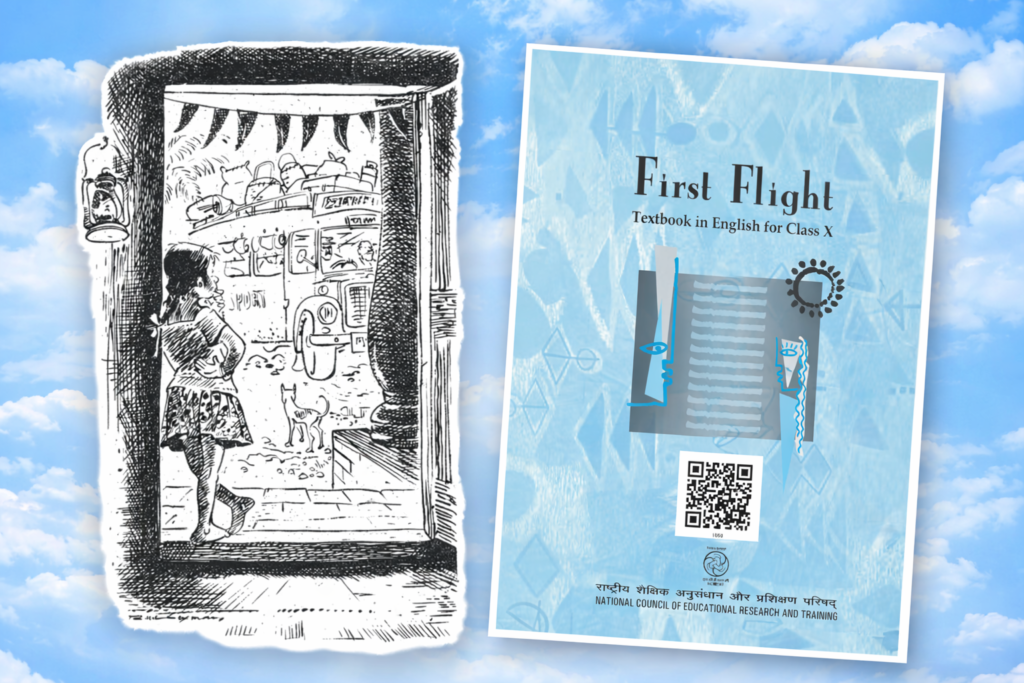
This page helps you revise quickly with Madam Rides the Bus summary Class 10 explained in simple language, along with NCERT solutions and exam-focused practice. You will find a clear story overview, theme, and key points, followed by madam rides the bus question answer sets, extra questions, and short answers for revision. The notes section supports concept clarity, while madam rides the bus class 10 questions and answers help with writing practice. Useful for tests, homework, and board exam preparation, this guide keeps everything in one place for easy study.
Table of Contents
madam rides the bus summary
English Summary
Have you ever wanted something so badly that you planned every detail in secret? Imagine being just eight years old and daring to step into the big world alone. That is exactly where this story begins.
This chapter tells the story of a young girl’s first bus journey from her village to a nearby town. What begins as a joyful adventure slowly turns into a serious moment of understanding life, danger, and loss. By the end, the journey changes how the girl looks at the world around her.
Valli, whose full name is Valliammai, is an eight-year-old girl who lives in a small village. She has no children her age to play with, so her favourite activity is standing in the doorway of her house and watching the street. The most exciting sight for her is the bus that passes through the village every hour, going to and from the town. Each time it comes, it brings new passengers, and this fills her with wonder. Slowly, a strong wish grows inside her—to ride that bus just once. She listens carefully to people talking about the journey and learns important details: the town is six miles away, the fare is thirty paise one way, and the trip takes forty-five minutes. She plans everything carefully, saving sixty paise by giving up sweets and toys. She also knows that her mother sleeps in the afternoon, which gives her the perfect chance to go unnoticed
One afternoon, as the bus is about to leave, a small voice cries out, “Stop the bus! Stop the bus!” It is Valli. She climbs in confidently and refuses help, acting like a grown-up. The conductor jokingly calls her “madam,” and the passengers laugh. Inside, Valli is amazed by the shiny seats, the silver rails, and the clock above the windshield. She stands on her seat to see outside and watches green fields, a canal, palm trees, and distant hills rush past. When an old man asks her to sit for safety, she replies proudly that she has paid her fare and is “not a child.” An elderly woman tries to talk to her, but Valli finds her unpleasant and turns to the window instead.
As the bus moves on, exciting scenes appear one after another. A young cow runs wildly in front of the bus, making Valli laugh until tears come to her eyes. The bus crosses a railway line where a train rushes past “with a roar and a rattle.” Soon they reach the busy town with bright shops and crowds. Everyone gets down, but Valli stays seated. She tells the conductor she wants to go back on the same bus, saying simply, “I just felt like having a bus ride, that’s all.” She refuses food or drinks because she has no extra money and waits quietly for the return journey.
On the way back, the joy suddenly fades. Valli sees the same cow lying dead by the roadside, hit by a vehicle. The sight shocks her. What looked playful and beautiful before now seems frightening and lifeless. The image stays in her mind, and she no longer looks outside. When the bus reaches her village, she gets down, thanks the conductor, and runs home. Inside, her mother is talking about how little people truly understand life, saying, “How can we possibly know about everything?” Valli softly agrees, smiling to herself, carrying her secret journey and new understanding within her.
Valli – curious and determined – the young girl who takes her first bus journey
The Conductor – cheerful and friendly – guides and jokes with Valli on the bus
Valli’s Mother – caring and thoughtful – represents adult understanding of life
The Elderly Woman – talkative – shows concern but annoys Valli
The central message is that growing up often begins with small, brave steps. Through this journey, you learn that joy and excitement can quickly meet reality. Life teaches lessons quietly, sometimes when you least expect them.
madam rides the bus HINDI SUMMARY
क्या तुमने कभी किसी चीज़ को इतनी शिद्दत से चाहा है कि चुपचाप हर छोटी बात की योजना बना ली हो? ज़रा सोचो, सिर्फ़ आठ साल की उम्र में अकेले ही बड़ी दुनिया में कदम रखने का साहस करना। इसी पल से इस कहानी की शुरुआत होती है।
यह अध्याय एक छोटी लड़की की अपने गाँव से पास के शहर तक की पहली बस यात्रा की कहानी है। जो यात्रा खुशी और रोमांच से शुरू होती है, वही धीरे-धीरे जीवन, खतरे और नुकसान को समझने का गंभीर अनुभव बन जाती है। अंत में, यह सफ़र उस लड़की की दुनिया को देखने की सोच बदल देता है।
वल्ली, जिसका पूरा नाम वल्लिअम्मै है, आठ साल की एक लड़की है जो एक छोटे से गाँव में रहती है। उसकी उम्र के बच्चे उसके साथ खेलने के लिए नहीं हैं, इसलिए उसका सबसे पसंदीदा काम अपने घर के दरवाज़े पर खड़े होकर गली को देखना है। उसके लिए सबसे रोमांचक दृश्य वह बस है जो हर घंटे गाँव से होकर शहर जाती और वापस आती है। हर बार उसमें नए यात्री होते हैं, और यही बात उसे बहुत अच्छा लगती है। धीरे-धीरे उसके मन में एक गहरी इच्छा जन्म लेती है—कम से कम एक बार उस बस में बैठने की। वह लोगों की बातें ध्यान से सुनती है और यात्रा से जुड़ी ज़रूरी बातें जान लेती है: शहर छह मील दूर है, किराया एक तरफ़ का तीस पैसे है, और यात्रा में पैंतालीस मिनट लगते हैं। वह बहुत सोच-समझकर योजना बनाती है और टॉफी, खिलौने छोड़कर साठ पैसे बचा लेती है। उसे यह भी पता है कि दोपहर में उसकी माँ सोती है, और यही समय बिना बताए निकलने का सबसे अच्छा मौका है।
एक दोपहर, जब बस चलने ही वाली होती है, तभी एक छोटी-सी आवाज़ गूंजती है, “बस रोको! बस रोको!” यह आवाज़ वल्ली की होती है। वह पूरे आत्मविश्वास के साथ बस में चढ़ती है और किसी की मदद लेने से मना कर देती है, जैसे वह कोई बड़ी हो। कंडक्टर मज़ाक में उसे “मैडम” कहता है और यात्री हँसने लगते हैं। अंदर वल्ली चमकती सीटों, चाँदी जैसी रेलिंगों और शीशे के ऊपर लगी घड़ी को देखकर हैरान रह जाती है। बाहर देखने के लिए वह अपनी सीट पर खड़ी हो जाती है और हरे-भरे खेत, नहर, ताड़ के पेड़ और दूर की पहाड़ियाँ तेज़ी से पीछे भागती हुई देखती है। जब एक बूढ़ा आदमी सुरक्षा के लिए उसे बैठने को कहता है, तो वह गर्व से कहती है कि उसने पूरा किराया दिया है और वह “बच्ची नहीं है।” एक बुज़ुर्ग औरत उससे बात करने की कोशिश करती है, लेकिन वल्ली को वह अच्छी नहीं लगती और वह खिड़की की ओर मुँह फेर लेती है।
जैसे-जैसे बस आगे बढ़ती है, एक के बाद एक दिलचस्प दृश्य सामने आते हैं। एक छोटी गाय बस के सामने सड़क पर तेज़ी से दौड़ती है, और यह देखकर वल्ली इतनी हँसती है कि उसकी आँखों में आँसू आ जाते हैं। बस एक रेलवे लाइन पार करती है, जहाँ एक ट्रेन “गर्जना और खड़खड़ाहट” के साथ निकल जाती है। थोड़ी देर में वे चहल-पहल वाले शहर पहुँचते हैं, जहाँ चमकती दुकानें और भीड़ होती है। सब लोग उतर जाते हैं, लेकिन वल्ली अपनी सीट पर ही बैठी रहती है। वह कंडक्टर से कहती है कि वह उसी बस से वापस जाना चाहती है और बस इतना कहती है, “मुझे बस की सवारी करनी थी, बस यही।” उसके पास अतिरिक्त पैसे नहीं होते, इसलिए वह खाने-पीने से मना कर देती है और शांति से वापसी की यात्रा का इंतज़ार करती है।
वापसी में उसकी खुशी अचानक कम हो जाती है। वल्ली सड़क किनारे उसी गाय को मरी हुई देखती है, जिसे किसी तेज़ वाहन ने कुचल दिया था। यह दृश्य उसे भीतर तक हिला देता है। जो गाय थोड़ी देर पहले प्यारी और चंचल लग रही थी, अब डरावनी और बेजान दिखती है। वह तस्वीर उसके मन में बस जाती है और वह बाहर देखना बंद कर देती है। जब बस उसके गाँव पहुँचती है, तो वह उतरती है, कंडक्टर को धन्यवाद देती है और घर की ओर दौड़ जाती है। घर के अंदर उसकी माँ जीवन को लेकर बात कर रही होती है और कहती है, “हम हर बात को कैसे जान सकते हैं?” वल्ली मन ही मन मुस्कुराते हुए धीरे से सहमति जताती है, अपने गुप्त सफ़र और नई समझ को दिल में सँभाले हुए।
वल्ली – जिज्ञासु और दृढ़ निश्चयी – पहली बार बस यात्रा करने वाली छोटी लड़की
कंडक्टर – हँसमुख और दोस्ताना – बस में वल्ली का मार्गदर्शन और मज़ाक करता है
वल्ली की माँ – स्नेही और समझदार – जीवन को समझने का वयस्क नज़रिया दिखाती है
बुज़ुर्ग औरत – बातूनी – चिंता जताती है लेकिन वल्ली को परेशान करती है
*इस कहानी का मुख्य संदेश यह है कि बड़ा होना अक्सर छोटे लेकिन साहसी कदमों से शुरू होता है। इस यात्रा के ज़रिए तुम सीखते हो कि खुशी और उत्साह कभी भी सच्चाई से टकरा सकते हैं। ज़िंदगी अपने सबक चुपचाप सिखाती है, कई बार तब, जब तुम बिल्कुल उम्मीद नहीं करते।
madam rides the bus Keywords with meanings:
Valliammai (Valli) – an eight-year-old curious girl, the main character
Bus – symbol of freedom, adventure, and the outside world
Village – Valli’s home place, quiet and limited
Town – place of excitement and new experiences
Conductor – the bus worker who jokes and helps Valli
Thirty paise – the one-way bus fare
Sixty paise – total money Valli saves for the journey
Curiosity – strong desire to know and see new things
Determination – firm decision; not giving up
First journey – Valli’s first independent travel experience
Canal – water body seen during the bus ride
Green fields – countryside scenery seen from the bus
Cow – symbol of joy first, then death and reality
Railway crossing – exciting moment during the journey
Life and death – major theme shown through the cow
Experience – learning gained through the journey
Innocence – childlike view of the world
Reality – harsh truth Valli understands at the end
madam rides the bus Important Phrases :
“Stop the bus! Stop the bus!”
“Proud! proud!”
“which is almost nothing at all”
“a roar and a rattle”
“Everybody move aside please — make way for madam.”
“green, green, green, as far as the eye could see”
“There’s nobody here who’s a child”
“I’ve paid my thirty paise like everyone else.”
“I just felt like having a bus ride, that’s all.”
“with a tremendous roar and rattle”
“legs spreadeagled, a fixed stare in its lifeless eyes”
“How can we possibly know about everything?”
madam rides the bus question answer
PART 1 TEXT BASED QUESTIONS
Q1. What was Valli’s favourite pastime?
Answer:
• Valli’s favourite pastime was standing in the front doorway of her house and watching the street outside.
• She had no playmates of her own age, so this became her main source of enjoyment.
• Watching people, vehicles, and daily life gave her many new experiences.
• This habit shows her curiosity and deep interest in the world beyond her home.
Q2. What was a source of unending joy for Valli? What was her strongest desire?
Answer:
• The bus that travelled between her village and the town was a source of unending joy for Valli.
• She loved watching it come every hour with a new set of passengers.
• Her strongest desire was to ride on that bus at least once.
• This desire shows her longing to explore the outside world on her own.
Q3. What did Valli find out about the bus journey? How did she find out these details?
Answer:
• Valli found out that the town was six miles away and the bus fare was thirty paise one way.
• She also learned that the journey took forty-five minutes.
• She gathered these details by listening carefully to conversations of neighbours and regular bus passengers.
• Her careful listening shows her smart planning and determination.
Q4. What do you think Valli was planning to do?
Answer:
• Valli was planning to travel alone to the town by bus and return on the same bus.
• She carefully calculated the time and saved sixty paise for the round trip.
• She also planned to go when her mother was asleep in the afternoon.
• This shows her independence, courage, and strong desire to experience something new.
PART 2 TEXT BASED QUESTIONS ANSWERS
Q1. Why does the conductor call Valli ‘madam’?
Answer:
• The conductor calls Valli ‘madam’ as a joke because she behaves like a grown-up.
• She travels alone, pays her fare herself, and speaks confidently.
• He uses the word playfully to tease her and entertain the passengers.
• This shows Valli’s seriousness and her wish to be treated like an adult.
Q2. Why does Valli stand up on the seat? What does she see now?
Answer:
• Valli stands up on the seat because a canvas blind blocks her view from the window.
• She wants to see the outside scenery clearly.
• She sees a canal, palm trees, green fields, distant mountains, and the blue sky.
• This shows her excitement and deep joy in watching the world outside.
Q3. What does Valli tell the elderly man when he calls her a child?
Answer:
• Valli proudly tells the elderly man that there is “nobody here who’s a child.”
• She says she has paid her thirty paise like everyone else.
• She wants to prove that she is responsible and independent.
• This reflects her strong sense of self-respect and confidence.
Q4. Why didn’t Valli want to make friends with the elderly woman?
Answer:
• Valli did not like the elderly woman’s appearance and habits.
• She found her earrings ugly and disliked the smell of betel nut.
• She also felt annoyed by the woman’s questions.
• This shows Valli’s childish honesty and discomfort with unwanted attention.
PART 3 TEXT BASED QUESTIONS ANSWERS
Q1. How did Valli save up money for her first journey? Was it easy for her?
Answer:
• Valli saved money by carefully collecting stray coins that came her way.
• She resisted temptations like buying peppermints, toys, and riding the merry-go-round at the fair.
• Saving sixty paise was difficult, but she did it with strong self-control.
• This shows her determination and ability to sacrifice for her dream.
Q2. What did Valli see on her way that made her laugh?
Answer:
• Valli saw a young cow running wildly in front of the bus with its tail high in the air.
• The cow was frightened by the horn and ran faster instead of moving away.
• The sight made Valli laugh until tears came to her eyes.
• This shows her innocent joy and childlike excitement.
Q3. Why didn’t she get off the bus at the bus station?
Answer:
• Valli did not get off the bus because she planned to return on the same bus.
• She wanted only the experience of a bus ride, not to explore the town alone.
• She paid another thirty paise for the return journey.
• This shows her careful planning and practical thinking.
Q4. Why didn’t Valli want to go to the stall and have a drink? What does this tell you about her?
Answer:
• Valli refused to go to the stall because she did not have enough money.
• She did not want to accept anything free from the conductor.
• She was firm and responsible in her decision.
• This shows her self-respect, honesty, and maturity beyond her age.
PART 4 TEXT BASED QUESTIONS ANSWERS
Q1. What was Valli’s deepest desire? Find the words and phrases in the story that tell you this.
Answer:
• Valli’s deepest desire was to ride on the bus that went from her village to the town.
• The story says that “a tiny wish crept into her head” and later became an “overwhelming desire.”
• She watched the bus every day and stared wistfully at the passengers.
• This shows how strongly she longed to experience the outside world.
Q2. How did Valli plan her bus ride? What did she find out about the bus, and how did she save up the fare?
Answer:
• Valli carefully planned her bus ride by collecting details from conversations around her.
• She found out that the town was six miles away, the fare was thirty paise, and the journey took forty-five minutes.
• She saved sixty paise by resisting temptations like sweets and the merry-go-round.
• Her planning shows patience, intelligence, and determination.
Q3. What kind of a person is Valli? Fill in the blanks and explain.
Answer:
• The filled sentences show Valli’s nature clearly:
(i) commandingly
(ii) confidently
(iii) who’s a child
(iv) get on by myself, irritably
(v) can take care of myself
(vi) hope to see you again
• These lines show she is bold, confident, independent, and self-respecting.
• Valli behaves maturely and wants to be treated like an adult.
Q4. Why does the conductor refer to Valli as ‘madam’?
Answer:
• The conductor calls Valli ‘madam’ jokingly because she behaves like a grown-up.
• She travels alone, pays her own fare, and speaks confidently.
• He uses the word humorously to tease her and amuse the passengers.
• This highlights Valli’s seriousness and desire to be independent.
Q5. Find the lines in the text which tell you that Valli was enjoying her ride on the bus.
Answer:
• The text says Valli “devoured everything with her eyes.”
• She felt that “Oh, it was all so wonderful!” while looking outside.
• She laughed until tears came to her eyes at the running cow.
• These lines clearly show her excitement and joy during the journey.
Q6. Why does Valli refuse to look out of the window on her way back?
Answer:
• Valli refuses to look out because she sees the cow lying dead on the roadside.
• The sight shocks her and fills her with sadness and fear.
• The memory of the dead cow haunts her and dampens her excitement.
• This moment makes her understand the harsh reality of life.
Q7. What does Valli mean when she says, “I was just agreeing with what you said about things happening without our knowledge.”?
Answer:• Valli means that many things happen in life without people fully understanding them.
• She is quietly agreeing with her mother’s words about life’s mysteries.
• Her reply hides her own bus adventure and experience.
• This shows her new maturity and silent understanding of life.
Q8. The author describes the things that Valli sees from an eight-year-old’s point of view. Give evidence from the text.
Answer:
• Valli finds simple things exciting, like green fields, palm trees, and a running cow.
• She laughs uncontrollably at the cow and is amazed by bright shops and crowds.
• Her reactions are full of innocence, wonder, and emotion.
• This clearly reflects an eight-year-old child’s way of seeing the world.
Grammar Exercise (Based on the lesson “Madam Rides the Bus”)
Questions
Do as directed.
1.Fill in the blank with the correct form of the verb:
Valli ________ (stand) in the doorway every day watching the street.
2.Change the voice (Active to Passive):
Valli paid the bus fare herself.
3.Change the narration (Direct to Indirect):
Valli said, “I am not a child.”
4.Fill in the blanks with suitable articles (a/an/the):
Valli saw ___ bus coming down ___ street.
5.Fill in the blank with a suitable preposition:
The bus passed ______ the village every hour.
6.Rewrite the sentence using a modal verb (should/must/can):
Valli travel alone to the town. (use can)
7.Change the sentence into negative:
Valli enjoyed the bus ride.
8.Combine the sentences using because:
Valli stood on the seat.
She wanted to see outside clearly.
9.Rewrite the sentence in the past tense:
The conductor jokes with Valli.
10.Change the narration (Indirect to Direct):
The conductor asked Valli if she wanted to get down.
11.Fill in the blanks with suitable modals:
Valli ______ save money for the journey, so she ______ not buy sweets.
12.Correct the error in the sentence (Editing):
Valli was sit on the seat and look outside.
13.Fill in the blank with the comparative form:
The town looked ________ (busy) than the village.
14.Form a question using the given statement:
Valli paid thirty paise for the bus ride.
(Begin with Did)
15.Cloze Test – Fill in the blanks:
Valli was an eight-year-old girl ______ lived in a small village. She watched the bus ______ passed every hour and dreamed ______ riding in it one day.
Here are grammar questions answers
1.stood
2.The bus fare was paid by Valli herself.
3.Valli said that she was not a child.
4.a, the
5.through
6.Valli can travel alone to the town.
7.Valli did not enjoy the bus ride.
8.Valli stood on the seat because she wanted to see outside clearly.
9.The conductor joked with Valli.
10.The conductor asked, “Do you want to get down?”
11.must, could
12.Valli was sitting on the seat and looking outside.
13.busier
14.Did Valli pay thirty paise for the bus ride?
15.who, that, of
Short Answer Questions (30–40 words)
Q1. Why was standing in the doorway as enjoyable for Valli as playing games?
Answer:Valli had no playmates of her own age in the street.
Standing in the doorway allowed her to watch people and daily life.
It gave her new and unusual experiences.
This satisfied her curiosity about the outside world.
Q2. How did the bus become an important part of Valli’s life?
Answer:The bus passed through her village every hour.
It carried new passengers each time.
Watching it filled Valli with joy and excitement.
It slowly awakened her desire to explore the town.
Q3. Why was Valli jealous of her friends who had travelled by bus?
Answer:Her friends talked about the sights of the town.
Valli had never been on the bus herself.
She felt left out and unhappy listening to them.
This increased her longing to ride the bus.
Q4. Why did Valli refuse the conductor’s offer of a cold drink?
Answer:Valli did not have extra money for a drink.
She did not want to accept anything free.
She was firm and self-respecting.
This showed her sense of responsibility.
Q5. What effect did the sight of the dead cow have on Valli?
Answer:The sight shocked and saddened Valli deeply.
The playful cow now looked frightening and lifeless.
Her excitement disappeared completely.
She understood the reality of death for the first time.
Long Answer Questions (100–120 words)
Q1. Describe Valli’s character as shown in the story.
Answer:Valli is a curious and observant eight-year-old girl.
She is determined and plans her bus journey carefully.
She saves money by controlling her desires.
Valli is confident and speaks boldly to elders.
She values self-respect and refuses help or free treats.
At the same time, she is innocent and emotional.
The sight of the dead cow makes her thoughtful and quiet.
Through her journey, she shows growth and maturity.
Q2. How does Valli’s bus journey change her understanding of life?
Answer:At first, the journey fills Valli with excitement and joy.
She enjoys nature, people, and movement outside her village.
The running cow makes her laugh with happiness.
On the return journey, she sees the same cow dead.
This sudden change shocks her deeply.
She realizes that life can change quickly.
The journey teaches her about life, death, and reality.
Q3. What role does the bus play in the story?
Answer: The bus represents freedom and the outside world.
It connects Valli’s village to the town.
It gives her a chance to explore life beyond home.
The bus journey becomes her first independent experience.
It brings both joy and serious understanding.
Through the bus, Valli learns an important life lesson.
Extract-Based Questions
Q1. Read the extract and answer the questions:
“Stop the bus! Stop the bus!” And a tiny hand was raised commandingly.
(a) Who says these words?
Ans:Valli says these words.
(b) Where is she at this moment?
Ans:She is standing on the road near her village.
(c) What does this line show about her nature?
Ans:It shows her confidence and courage.
Q2. Read the extract and answer the questions:
“How can we possibly know about everything?”
(a) Who says these words?
Ans:Valli’s mother says these words.
(b) What is she talking about?
Ans:She is talking about life and its mysteries.
(c) Why does Valli quietly agree with her?
Ans:Valli remembers her bus journey and the dead cow.
2.The bus fare was paid by Valli herself.
3.Valli said that she was not a child.
4.a, the
5.through
6.Valli can travel alone to the town.
7.Valli did not enjoy the bus ride.
8.Valli stood on the seat because she wanted to see outside clearly.
9.The conductor joked with Valli.
10.The conductor asked, “Do you want to get down?”
11.must, could
12.Valli was sitting on the seat and looking outside.
13.busier
14.Did Valli pay thirty paise for the bus ride?
15.who, that, of
FAQs
Q1. What was Valli’s full name and why is she called Valli in the story?
Valli’s full name is Valliammai, but she is called Valli as a short and friendly form. The author uses this name to highlight her young age and innocence. It also makes her character feel closer to students reading the story.
Q2. What important details did Valli learn about the bus journey before travelling?
Valli learned that the town was six miles away, the bus fare was thirty paise one way, and the journey took forty-five minutes. She collected this information by listening to regular bus passengers. This helped her plan her trip carefully.
Q3. Why does the conductor call Valli “madam” in Madam Rides the Bus?
The conductor calls Valli “madam” jokingly because she behaves like a grown-up. She travels alone, pays her fare, and speaks confidently. This shows both the conductor’s friendly nature and Valli’s desire to be treated as an adult.
Q4. How did Valli manage to save sixty paise for the bus ride?
Valli saved money by giving up sweets, toys, and the merry-go-round at the fair. She also collected small coins whenever she could. This shows her strong determination and self-control.
Q5. Why did Valli refuse to get down at the town bus stop?
Valli refused to get down because her only goal was to enjoy a bus ride. She had no plan to explore the town alone. She paid another thirty paise and waited for the return journey on the same bus.
Q6. What is the importance of the running cow scene in the story?
On the way to town, the running cow makes Valli laugh with joy. On the return journey, the same cow is seen dead, which shocks her deeply. This contrast helps show the theme of joy meeting reality and introduces the idea of life and death.
Q7. Why did Valli refuse the conductor’s offer of a free drink?
Valli refused because she had no extra money and did not want to take anything for free. She wanted to stay independent and self-respecting. This shows her strong sense of responsibility even at a young age.
Q8. What message does Madam Rides the Bus give to Class 10 students?
The story shows that growing up begins with small, brave experiences. It teaches that excitement can quickly change into serious understanding. Through Valli’s journey, students learn about reality, responsibility, and maturity.
