

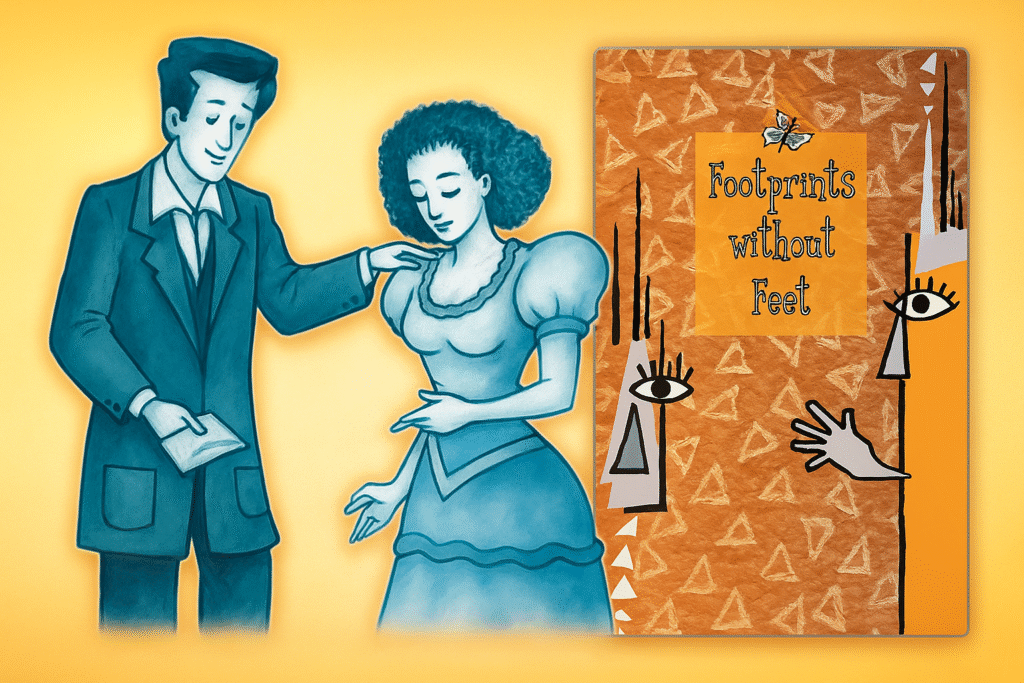
The Necklace Class 10 with this complete study resource featuring detailed summaries, character analysis, and the shocking twist ending explained. Explore Matilda Loisel’s character sketch to understand how pride and vanity drive her choices, then discover the powerful irony of false necklace versus reality. This page provides NCERT-style solutions, important questions with model answers, grammar exercises, extract-based practice, and thematic analysis covering appearance, sacrifice, debt, and moral lessons. Perfect for exam preparation and deep comprehension of this classic tale about the cost of dishonesty and social ambition.
Table of Contents
the necklace summary
English Summary
Have you ever dreamed of a life so grand that your own home feels like a prison? Have you ever wanted to shine just once, no matter the cost? This is the story of a woman whose wish to look rich changes her life forever.
The chapter tells the story of Matilda Loisel, a pretty but unhappy woman who longs for luxury though she lives a simple life. When she borrows a necklace to attend a grand party and loses it, her effort to hide the truth leads to years of suffering and an unexpected ending.
Matilda Loisel was a young and beautiful woman who felt she had been born into the wrong life. She belonged to a poor family of clerks and married Monsieur Loisel, a small clerk in the office of the Board of Education. Though her husband was content, Matilda was always unhappy. She dreamed of “delicacies and luxuries” and felt tortured by her shabby walls, worn chairs, and plain meals. When her husband happily said, “Oh! the good potpie!”, she imagined elegant dinners with shining silver. She had no fine dresses or jewels, and this made her miserable. She avoided visiting her rich friend Madame Forestier because it made her feel even poorer.
One evening, Monsieur Loisel returned home excited with an invitation to a grand ball at the Minister’s residence. Instead of feeling happy, Matilda threw the card away and cried that she had nothing suitable to wear. Seeing her distress, her husband sacrificed his savings of four hundred francs—money meant for buying a gun—and gave it to her for a dress. Though the dress was ready, Matilda grew upset again because she had no jewellery. She said it was “humiliating” to look poor among rich women. At last, she visited Madame Forestier, who allowed her to choose from her jewels. After much hesitation, Matilda selected a “superb necklace of diamonds” and left joyfully.
On the night of the ball, Matilda was a great success. She was admired by everyone, danced with excitement, and felt proud and victorious. She returned home at four in the morning, tired but happy. As she stood before the mirror one last time, she suddenly cried out—the necklace was gone. Both husband and wife searched everywhere. Monsieur Loisel went back along the streets, visited the police, cab offices, and even placed an advertisement, but the necklace was never found. To buy time, Matilda wrote to her friend saying she had broken the clasp and needed it repaired.
After a week, they decided they must replace the necklace. In a shop at the Palais-Royal, they found one exactly like it, priced at thirty-six thousand francs. Monsieur Loisel used his inheritance and borrowed the rest from moneylenders. When Matilda returned the new necklace, Madame Forestier spoke coldly and did not even open the box. The Loisels then lived ten years of hardship. They sent away the maid, moved into a small attic room, and worked endlessly. Matilda washed dishes, carried water, bargained with shopkeepers, and became rough and old before her time. At the end of ten years, the debt was finally paid.
One Sunday, while walking on the Champs-Élysées, Matilda met Madame Forestier again. She revealed the truth with “proud and simple joy.” Shocked, her friend replied, “Mine were false. They were not worth over five hundred francs.” The terrible truth ended Matilda’s long suffering in a moment.
Matilda Loisel – proud and dissatisfied – central character whose desire for luxury causes her downfall
Monsieur Loisel – loving and patient – her husband who sacrifices everything for her
Madame Forestier – wealthy and kind – lends the necklace that changes Matilda’s life
This story teaches you that pride and false appearances can destroy real happiness. It reminds you to value honesty and be content with what you have, because one small mistake can change your whole life.
the necklace Hindi Summary
क्या तुमने कभी इतना शानदार जीवन चाहा है कि तुम्हारा अपना घर तुम्हें जेल जैसा लगने लगे? क्या तुमने कभी बस एक बार चमकना चाहा है, चाहे उसकी कोई भी कीमत क्यों न चुकानी पड़े? यह कहानी एक ऐसी स्त्री की है, जिसकी अमीर दिखने की इच्छा उसकी पूरी ज़िंदगी बदल देती है।
यह अध्याय मैटिल्डा लोइज़ेल की कहानी बताता है, जो सुंदर होने के बावजूद हमेशा दुखी रहती है और सादा जीवन जीते हुए भी ऐश-आराम का सपना देखती है। जब वह एक भव्य पार्टी में जाने के लिए हार उधार लेती है और उसे खो देती है, तो सच्चाई छिपाने की उसकी कोशिश उसे कई वर्षों के दुख और एक चौंकाने वाले अंत तक ले जाती है।
मैटिल्डा लोइज़ेल एक युवा और सुंदर स्त्री थी, जिसे लगता था कि उसका जन्म गलत जीवन में हो गया है। वह एक गरीब क्लर्क परिवार से थी और उसकी शादी मोंसिये लोइज़ेल से हुई थी, जो शिक्षा विभाग के दफ्तर में एक छोटा-सा कर्मचारी था। उसका पति अपने जीवन से संतुष्ट था, लेकिन मैटिल्डा हमेशा असंतुष्ट रहती थी। वह “नाज़ुक व्यंजन और ऐश-आराम” के सपने देखती थी और अपने घर की घिसी हुई कुर्सियों, फीकी दीवारों और साधारण खाने से परेशान रहती थी। जब उसका पति खुशी से कहता, “ओह! कितनी अच्छी पॉटपाई!”, तो वह चमचमाती चाँदी और शानदार दावतों की कल्पना करने लगती। उसके पास न अच्छे कपड़े थे और न गहने, और यही बात उसे दुखी कर देती थी। वह अपनी अमीर सहेली मैडम फ़ॉरेस्टियर से मिलने से बचती थी, क्योंकि उससे मिलकर उसे और भी गरीब महसूस होता था।
एक शाम मोंसिये लोइज़ेल खुशी-खुशी घर लौटा और मंत्री के निवास में होने वाली एक भव्य पार्टी का निमंत्रण लाया। खुश होने के बजाय, मैटिल्डा ने कार्ड फेंक दिया और रोने लगी कि पहनने के लिए उसके पास कुछ भी अच्छा नहीं है। उसकी परेशानी देखकर उसके पति ने अपनी चार सौ फ़्रैंक की जमा पूँजी—जो बंदूक खरीदने के लिए रखी थी—उसकी पोशाक के लिए दे दी। पोशाक तैयार हो गई, लेकिन मैटिल्डा फिर उदास हो गई क्योंकि उसके पास कोई गहना नहीं था। उसने कहा कि अमीर औरतों के बीच गरीब दिखना “अपमानजनक” है। आखिरकार वह मैडम फ़ॉरेस्टियर के पास गई, जिन्होंने उसे अपने गहनों में से चुनने दिया। बहुत सोच-विचार के बाद मैटिल्डा ने “हीरों का एक शानदार हार” चुना और खुशी-खुशी लौट आई।
पार्टी की रात मैटिल्डा बहुत सफल रही। हर कोई उसकी तारीफ़ कर रहा था, वह खुशी-खुशी नाच रही थी और खुद को गर्व और विजय से भरा महसूस कर रही थी। वह सुबह चार बजे थकी हुई लेकिन खुश होकर घर लौटी। आईने के सामने आख़िरी बार खुद को देखते हुए वह अचानक चीख पड़ी—हार गायब था। पति-पत्नी दोनों ने हर जगह ढूँढा। मोंसieur लोइज़ेल सड़कों पर वापस गया, पुलिस और टैक्सी दफ़्तरों में गया और अख़बार में इश्तहार भी दिया, लेकिन हार कभी नहीं मिला। समय खरीदने के लिए मैटिल्डा ने अपनी सहेली को पत्र लिखा कि हार का कुंडा टूट गया है और उसे ठीक कराने में समय लगेगा।
एक हफ्ते बाद उन्होंने तय किया कि हार बदलना ही होगा। पैले-रॉयल की एक दुकान में उन्हें बिल्कुल वैसा ही हार मिला, जिसकी कीमत छत्तीस हज़ार फ़्रैंक थी। मोंसieur लोइज़ेल ने अपनी विरासत के पैसे लगाए और बाकी रकम सूदखोरों से उधार ली। जब मैटिल्डा ने नया हार मैडम फ़ॉरेस्टियर को लौटाया, तो उन्होंने ठंडे स्वर में बात की और डिब्बा तक नहीं खोला। इसके बाद लोइज़ेल दंपती ने दस साल तक कठिन जीवन जिया। उन्होंने नौकरानी को हटा दिया, एक छोटे-से अटारी कमरे में रहने लगे और बिना रुके काम किया। मैटिल्डा बर्तन धोती, पानी ढोती, दुकानदारों से मोलभाव करती और समय से पहले बूढ़ी और कठोर हो गई। दस साल बाद आखिरकार सारा कर्ज़ चुका दिया गया।
एक रविवार, शॉं-ज़े-लीज़े में टहलते हुए मैटिल्डा की फिर मुलाकात मैडम फ़ॉरेस्टियर से हुई। उसने “गर्व और सादे आनंद” के साथ सच्चाई बता दी। चकित होकर उसकी सहेली ने कहा, “मेरा हार नकली था। उसकी कीमत पाँच सौ फ़्रैंक से ज़्यादा नहीं थी।” यह भयानक सच एक पल में मैटिल्डा के लंबे दुख का अंत कर गया।
मैटिल्डा लोइज़ेल – घमंडी और असंतुष्ट – मुख्य पात्र, जिसकी ऐश-आराम की चाहत उसके पतन का कारण बनती है
मोंसिये लोइज़ेल – प्रेमपूर्ण और धैर्यवान – पति, जो उसके लिए सब कुछ कुर्बान कर देता है
मैडम फ़ॉरेस्टियर – अमीर और दयालु – वही सहेली, जिसका हार कहानी की दिशा बदल देता है
यह कहानी तुम्हें सिखाती है कि घमंड और झूठी दिखावट सच्ची खुशी को नष्ट कर सकती है। यह तुम्हें ईमानदारी की क़ीमत समझने और जो तुम्हारे पास है उसी में संतोष करना सिखाती है, क्योंकि एक छोटी-सी गलती पूरी ज़िंदगी बदल सकती है।
the necklace Keywords with meanings:
- Matilda Loisel – the main character who dreams of luxury and status
- M. Loisel – her caring, modest husband who sacrifices for her
- Mme Forestier – Matilda’s wealthy friend who lends the necklace
- Necklace – the central object that triggers the story’s events
- Diamonds – symbol of wealth and appearance (later revealed as fake)
- Invitation – the party card that starts Matilda’s desire to look rich
- Ball – the grand party where Matilda shines and loses the necklace
- Dress – the new gown bought with saved money for the ball
- Vanity – excessive pride in looks and status
- Pride – self-importance that stops confession and causes suffering
- Appearance – how things look on the outside, not what they truly are
- Reality – the truth hidden behind appearances (fake jewels)
- Debt – heavy loans taken to replace the lost necklace
- Sacrifice – hard work and giving up comforts to repay money
- Poverty – the harsh life Matilda faces after the loss
- Contentment – being satisfied with what one has (lesson of the story)
- Honesty – telling the truth, which could have avoided ruin
- Fate – life’s unexpected turns from small events
- Usurers – moneylenders charging high interest
- Palais-Royal – the place where the replacement necklace is bought
- False jewels – the twist: the original necklace was imitation
- Clerks – Matilda’s social class by birth and marriage
- Tureen – the soup dish highlighting simple home life
- Larks – the hunting plan M. Loisel gives up for her dress
- Attic – the cheap lodging they move to during hardship
the necklace Important Phrases :
- “born as if through an error of destiny”
- “She suffered incessantly”
- “Oh! the good potpie! I know nothing better than that…”
- “Ask the honour of M. and Mme Loisel’s company”
- “What do you suppose I want with that?”
- “I have no dress”
- “four hundred francs”
- “I am vexed not to have a jewel”
- “How stupid we are!”
- “a superb necklace of… diamonds”
- “She was the prettiest of all”
- “intoxicated with pleasure”
- “Her necklace was not around her neck.”
- “We must replace this jewel.”
- “It was valued at forty thousand francs.”
- “He borrowed the rest.”
- “ruinous promises”
- “the horrible life of necessity”
- “with her basket on her arm, shopping, haggling to the last sou”
- “And this life lasted for ten years.”
- “How small a thing will ruin or save one!”
- “Oh! my poor Matilda!”
- “Mine were false.”
- “They were not worth over five hundred francs!”
the necklace Text based questions and answers
Q1. What kind of a person is Mme Loisel? Why is she always unhappy?
Answer: Mme Loisel is a beautiful, young woman born into a poor family, who desires luxuries and high social status. She is unhappy because she feels her life is full of poverty and lacks the finer things she believes she deserves. This makes her dissatisfied with her simple life and marriage. Her unhappiness comes from wanting more than what she has, showing how desires can lead to suffering.
Q2. What kind of a person is her husband?
Answer: Mme Loisel’s husband is simple, humble, and content with their modest life. He works as a clerk and tries to please his wife by giving her what he can afford. He is patient and loving, but unlike Mme Loisel, he doesn’t crave luxury or wealth. His practical nature contrasts with her dreams, highlighting their different views on happiness.
Q3. What fresh problem now disturbs Mme Loisel?
Answer: Mme Loisel loses the necklace she borrowed for the party, which causes great distress. Since the necklace was a valuable piece, losing it means she has to replace it with a real one, a costly burden they cannot easily afford. This problem adds to her worries and tests their financial limits.
Q4. How is the problem solved?
Answer: To solve the problem of the lost necklace, M. and Mme Loisel decide to buy a replacement that looks exactly like the original. They borrow money and work hard for many years to repay the debt they took on for the necklace. Their sacrifice shows their strong determination and responsibility despite their hardship.
Q5. What do M. and Mme Loisel do next?
Answer: After buying the replacement necklace, they hide the loss from their friends and take on heavy debts to pay for it. They live frugally and work hard to clear the loans over ten years, which changes their lives completely. This hard work teaches them the cost of dishonesty and pride.
Q6. How do they replace the necklace?
Answer: They replace the necklace by buying an identical one from a jeweler, spending a large sum of money. The effort to repay this debt means they have to sacrifice their comfort and live very simply for many years. This act of replacement leads to years of hidden suffering and toil, showing that mistakes can have long consequences.
the necklace Text based questions and answers
Q1. The course of the Loisels’ life changed due to the necklace. Comment.
Answer: The Loisels’ life changed drastically because they borrowed a necklace that was lost, leading to years of hard work and poverty to repay the debt. This shows how a single mistake can affect life deeply. It teaches the danger of pride and the importance of honesty in facing problems.
Q2. What was the cause of Matilda’s ruin? How could she have avoided it?
Answer: Matilda’s ruin was caused by losing the borrowed necklace and replacing it with a costly duplicate without telling the truth. She could have avoided the ruin by being honest with her friend about the loss, which might have saved them from unnecessary suffering.
Q3. What would have happened to Matilda if she had confessed to her friend that she had lost her necklace?
Answer: If Matilda confessed, her friend might have forgiven her or revealed that the necklace was fake. This honesty would have prevented the Loisels from falling into debt and spending years in hardship, showing that truthfulness can save people from serious consequences.
Q4. If you were caught in a situation like this, how would you have dealt with it?
Answer: I would face the problem honestly by admitting the loss and seeking a solution openly. Being truthful helps build trust and avoids long-term problems. It also teaches responsibility and helps learn from mistakes without fear.
Q5. The characters in this story speak in English. Do you think this is their language? What clues are there in the story about the language its characters must be speaking in?
Answer: The story is set in France, where characters like Mme Loisel have French-sounding names and cultural backgrounds. Though the text is in English, it likely represents a translation from French. Clues like names and settings suggest their original language is French.
Q6. Honesty is the best policy.
Answer: This story shows the value of honesty clearly. Mme Loisel’s trouble started because she hid the truth about the necklace. If she had been honest, she could have avoided years of hardship, teaching that honesty reduces problems and makes life easier.
Q7. We should be content with what life gives us.
Answer: Mme Loisel was unhappy because she wanted a luxurious life beyond her means. The story teaches that being content with what we have brings peace, while greed and pride cause suffering. True happiness comes from appreciation, not possessions.
the necklace Grammar
- Do as directed
- Tenses – Fill in the blanks (Do as directed):
a) Matilda often ______ (dream) of rich dinners and bright halls.
b) When the invitation arrived, her husband ______ (hope) she would be happy.
c) By the time they reached home, the ball ______ (end).
d) For ten years, the Loisels ______ (work) to repay the debt.
e) She suddenly realised that the necklace ______ (be) missing.
- Correct the verb form (Do as directed):
a) She (feel) that she is born for delicacies and luxuries.
b) He (save) four hundred francs to buy a gun.
Voice Change – Active to Passive / Passive to Active (Do as directed):
a) They placed an advertisement offering a reward. (Change to passive)
b) The necklace was returned to Mme Forestier. (Change to active)
- Reported Speech / Narration (Do as directed):
a) “What do you suppose I have to wear to such a thing as that?” she said. (Change to indirect)
b) “Choose, my dear,” said Mme Forestier. (Change to indirect)
c) “Mine were false,” Mme Forestier said. (Change to indirect)
- Articles & Prepositions – Fill in the blanks (Do as directed):
a) She lived in ___ small apartment with shabby walls and worn chairs.
b) They walked ______ the river, shivering in the night air.
c) He returned ______ the evening, pale and worried.
d) She looked ______ herself in the glass for a final view.
- Modals (Do as directed):
a) You ______ (must/should) tell your friend the truth at once. (Choose the suitable modal)
b) She asked if she ______ (can/may) borrow the diamond necklace. (Choose the suitable modal)
c) They ______ (could/must) have heard it fall if it dropped in the street. (Choose the suitable modal)
- Sentence Transformation – Combine / Comparative-Superlative / Negative-Affirmative (Do as directed):
a) She was elegant. She was gracious. She was smiling. (Combine into a single sentence)
b) Few women at the ball were as pretty as Matilda. (Change to superlative degree)
c) She was not satisfied with natural flowers. (Change to an affirmative sentence without changing meaning)
- Question Formation (Do as directed):
a) She felt the necklace around her neck as they left the Minister’s house. (Form a Yes/No question)
b) They found the replacement necklace at the Palais-Royal. (Frame a Wh-question)
- Editing – Error spotting (Do as directed):
- In each line, find the error and write the correction.
a) She have a rich friend from the convent. ______ → ______
b) He was saved just this sum to buy a gun. ______ → ______
c) They was walking towards the river, shivering. ______ → ______
d) She speak in a loud tone and wash the floors. ______ → ______
- Omission – Missing words (Do as directed):
One word is missing in each line. Write the missing word with the word before/after.
a) She ashamed her shabby apartment. ______ ______ ______
b) He went the police and the cab offices. ______ ______ ______
c) They looked the folds of the cloak. ______ ______ ______
d) Life lasted ten years them. ______ ______ ______
- Cloze Test – Gap Filling (Do as directed):
Matilda ______ (i) ______ (receive/receives/received) an invitation to the Minister’s ball, but she ______ (ii) ______ (feel/felt/feels) unhappy because she had no jewels. Her husband ______ (iii) ______ (give/gave/gives) her four hundred francs for a dress. She ______ (iv) ______ (borrow/borrows/borrowed) a diamond necklace from Mme Forestier and became the prettiest at the ball. Later, she ______ (v) ______ (discover/discovered/discovers) the necklace was missing.
- Tense/Aspect Contrast (Do as directed):
a) For years, they ______ (repay) the debt, and by the tenth year they ______ (clear) it. (Use correct continuous/perfect)
b) When he returned at seven o’clock, he ______ (find) nothing. (Use correct past form)
- Voice Change – Imperatives (Do as directed):
a) “Write to your friend that you broke the clasp.” (Change to passive)
b) “Open the jewel-case.” (Change to passive)
- Reported Commands/Requests (Do as directed):
a) “Go and find your friend and ask for jewels,” he said. (Change to indirect)
b) “Wait; I am going to call a cab,” he said. (Change to indirect)
- Transformation – Cause and Effect / Conditional (Do as directed):
a) She lost the necklace. They had to borrow money. (Combine using because/so)
b) If she ______ (tell) the truth early, she ______ (avoid) ten years of hardship. (Type II conditional)
- Here are the answers to the grammar questions
a) dreamed b) had hoped c) had ended d) worked e) was
a) felt b) had saved
a) An advertisement offering a reward was placed (by them). b) They returned the necklace to Mme Forestier.
a) She asked what she was supposed to wear to such a thing. b) Mme Forestier told her to choose. c) Mme Forestier said that hers were false.
a) a b) toward/towards c) in d) at
a) should/must (both acceptable; prefer should) b) may c) would/could (prefer could)
a) She was elegant, gracious, and smiling. b) Matilda was the prettiest woman at the ball. c) She was dissatisfied with natural flowers.
a) Did she feel the necklace around her neck as they left the Minister’s house? b) Where did they find the replacement necklace?
a) have → had b) was saved → had saved c) was walking → were walking d) speak → speaks; wash → washes
a) ashamed of her b) went to the c) looked in the d) lasted for ten; for them
(i) received (ii) felt (iii) gave (iv) borrowed (v) discovered
a) had been repaying; had cleared b) had found
a) She was told to write that the clasp had been broken. b) Let the jewel-case be opened.
a) He told her to go and find her friend and ask for jewels. b) He asked her to wait as he was going to call a cab.
a) She lost the necklace, so they had to borrow money. b) told; would have avoided
the necklace Short Answer Questions (30–40 words)
Q1. Why was Mme Loisel unhappy despite being pretty and simple?
Ans: She felt “born for all delicacies and luxuries,” but lived in a clerk’s home with “shabby walls and worn chairs,” which tortured and angered her. She had “neither frocks nor jewels,” so she felt poor and unnoticed.
Q2. How did M. Loisel try to solve the dress problem?
Ans: He offered “four hundred francs” he had saved to buy a gun, asking her to get a simple dress that could serve for other occasions. He sacrificed his wish to join summer hunting parties.
Q3. What fresh problem upset Mme Loisel after getting the dress? How was it solved?
Ans. She had “no jewel” and feared a “poverty-stricken look.” Her husband suggested, “Go and find your friend Mme Forestier and ask her to lend you her jewels,” which led to borrowing the diamond necklace.
Q4. Describe Mme Loisel at the ball in one or two lines.
Ans: She was “the prettiest of all — elegant, gracious, smiling and full of joy,” dancing with enthusiasm, “intoxicated with pleasure,” and admired by many.
Q5. When did Mme Loisel discover the loss of the necklace?
Ans: After reaching home around “four o’clock in the morning,” she removed her wraps before the glass “for a final view” and cried out: “Her necklace was not around her neck.”
Q6.What immediate steps did the Loisels take to find the necklace?
Ans: M. Loisel retraced their route on foot, went to the police and cab offices, and put an advertisement in the newspapers “offering a reward.” They searched dress, cloak, and pockets.
Q7.How did they replace the necklace? Mention cost and source of money.
Ans; In the Palais-Royal they found a similar chaplet “valued at forty thousand francs,” bought for “thirty-six thousand.” He had “eighteen thousand” from his father and borrowed the rest with “ruinous promises” from usurers and lenders.
Q8.How did their life change after replacing the necklace?
Ans:They dismissed the maid, moved to attic rooms; she did hard housework and haggled “to the last sou,” while he worked evenings and copied “at five sous a page” for “ten years” to repay the debt.
Q9.What was the final twist at the end?
Ans; Mme Forestier revealed, “Mine were false. They were not worth over five hundred francs!” showing the great sacrifice was unnecessary and creating strong irony.
Q10.What does the story suggest about appearance and reality?
Ans: It shows “appearance vs reality”: the shining “diamond” necklace was fake; chasing appearances led to real suffering, while the truth—if told early—could have saved them.
the necklace Long Answer Questions (100–120 words)
Q1. Write a character sketch of Matilda Loisel.
Answer:Matilda Loisel was beautiful but dissatisfied with her simple life.
She dreamed of luxury, fine clothes, and jewellery.
Her pride made her unhappy and ungrateful for what she had.
She borrowed a necklace to look rich and lost it.
Instead of confessing the truth, she chose to hide it.
This decision led to ten years of poverty and hard work.
By the end, she became strong and hardworking.
Her life shows how pride and false appearances can destroy happiness.
Q2. Describe the role of Monsieur Loisel in the story.
Answer: Monsieur Loisel was a simple, kind, and caring husband.
He was satisfied with his modest life.
He saved money carefully and sacrificed it for Matilda’s happiness.
He helped search for the lost necklace tirelessly.
He worked extra jobs to repay the huge debt.
He never complained and supported his wife silently.
His character shows patience, love, and selfless devotion.
Q3. How did the necklace change the course of the Loisels’ life?
Answer:The necklace brought temporary happiness to Matilda at the ball.
Losing it created fear, tension, and financial ruin.
Replacing it forced the Loisels into deep debt.
They lived a life of poverty for ten years.
Matilda lost her beauty and comfort.
The truth at the end made their suffering meaningless.
Thus, the necklace completely changed their destiny.
Q4. What is the central theme of “The Necklace”?
Answer:The story highlights the danger of pride and greed.
It shows how false appearances can lead to destruction.
Matilda’s dissatisfaction caused her long suffering.
The story teaches the value of honesty and contentment.
A small mistake can change an entire life.
the necklace Extract-Based Questions (Answer briefly in 2–3 points)
- Extract 1: “She suffered incessantly, feeling herself born for all delicacies and luxuries.”
Q1.What makes Mme Loisel suffer?
Ans: She suffers because her real life—a clerk’s home with shabby walls and worn chairs—does not match her dreams of wealth, fine dinners, and jewels.
Q2.How does this feeling affect her behavior?
Ans:It makes her resent her surroundings, avoid visiting her rich friend, and weep from despair after such visits.
Q2.Which words show her desires?
Ans; “Delicacies and luxuries,” “elegant dinners,” “shining silver,” and “exquisite food” show her longing for a rich lifestyle.
Extract 2: “Suddenly she discovered, in a black satin box, a superb necklace of diamonds.”
Q1. Why does she choose this necklace?
Ans:She wants something grand to avoid a “poverty-stricken look” among rich women and feels ecstatic seeing the diamonds against her dress.
Q2.What does “her hands trembled” suggest?
Ans:It shows intense excitement, desire, and anxiety about possessing such a luxurious jewel.
Q3.What does this moment foreshadow?
Ans:It foreshadows the loss, secret replacement, and the heavy debt that follows her choice of a superb necklace.
Extract 3: “Suddenly she uttered a cry. Her necklace was not around her neck.”
Q1.What immediate steps do they take?
Ans: They search the dress and cloak, retrace their route, visit the police and cab offices, and put an advertisement offering a reward.
Q2.Why do they not tell Mme Forestier the truth at once?
Ans: They decide to write that the clasp is broken to gain time, fearing her reaction and hoping to replace the necklace quietly.
Q3.What decision changes their fate?
Ans:Replacing the necklace with a similar one for thirty-six thousand francs forces them into ten years of hard repayment.
Extract 4: “Oh! My poor Matilda! Mine were false. They were not worth over five hundred francs!”
Q1. What literary device is used here?
Ans: Situational irony: a decade of sacrifice was for an imitation necklace of little value.
Q2.How does this line change our view of Matilda’s struggle?
Ans: It shows her suffering was unnecessary and caused by pride and secrecy rather than true necessity.
Q3.What message does this ending convey?
Ans: It warns that chasing appearances and hiding the truth can lead to great, avoidable loss.
FAQs
Why does Matilda Loisel feel unhappy in her life?
Answer: Matilda feels born for “all delicacies and luxuries,” yet lives in a simple clerk’s apartment with shabby walls and worn chairs. This gap between her dreams of wealth and her actual modest life creates constant suffering. She lacks fine clothes, jewels, and the social status she believes she deserves, making her deeply dissatisfied and envious of her wealthy friend Mme Forestier.
What is the main twist ending of “The Necklace”?
Answer: After ten years of hard work to repay a debt for replacing the lost necklace, Matilda finally reveals the truth to Mme Forestier. Her friend shockingly reveals that the original diamond necklace was fake and worth only 500 francs, not the 40,000 francs they spent replacing it. This powerful irony shows how Matilda’s pride and dishonesty caused unnecessary sacrifice for nothing
How does M. Loisel sacrifice for his wife in “The Necklace”?
Answer: M. Loisel makes multiple sacrifices: he gives Matilda 400 francs saved for a hunting gun to buy a ball gown, then uses 18,000 francs from his inheritance and borrows the remaining 18,000 francs (at ruinous interest rates) to replace the lost necklace. For ten years, he works nights copying documents at five sous per page to help repay the debt, showing his love and responsibility despite the hardship.
Could Matilda have avoided the ten years of suffering?
Answer: Yes. If Matilda had honestly confessed to Mme Forestier about losing the necklace immediately, her friend would likely have revealed that it was fake. Alternatively, Matilda could have accepted her modest life instead of chasing appearances. The story teaches that honesty and contentment protect us from hidden traps, while pride and secrecy lead to avoidable suffering.
What does “The Necklace” teach about appearance versus reality?
Answer: The story powerfully illustrates that chasing appearances can destroy real happiness. The shining diamond necklace Matilda desired was actually fake, yet she sacrificed ten years of her life for it. This irony reveals that true wealth and status are illusions, while honest, simple living brings genuine peace. The moral suggests that contentment with reality is more valuable than pursuing false appearances.
Why doesn’t Matilda confess to Mme Forestier immediately?
Answer: Matilda doesn’t confess because she is proud and fears her friend’s reaction. Instead, she and M. Loisel decide to secretly replace the necklace with an identical-looking one, planning to write that the clasp broke. This decision to hide the truth rather than face the problem honestly becomes the root cause of their decade-long hardship and debt.
What is the significance of the ball in “The Necklace”?
Answer: The ball is the turning point where Matilda finally feels beautiful, admired, and appreciated—”intoxicated with pleasure” as she dances. However, this single night of social success becomes the catalyst for her downfall when the necklace goes missing. The ball symbolizes how the pursuit of fleeting social approval and appearances can have lasting, devastating consequences.
How does the story criticize social vanity and materialism?
Answer: Through Matilda’s character, the story critiques excessive pride in appearances and status. Matilda’s unhappiness stems from wanting luxury beyond her means, and her need for jewels to avoid looking “poverty-stricken” reveals shallow values. The ironic twist—where her sacrifice was for fake jewels—serves as a warning that chasing material wealth and social status is ultimately futile and destructive.
What role does Mme Forestier play in revealing the story’s irony?
Answer: Mme Forestier unknowingly holds the key to the story’s twist. She lends what she believes is a valuable diamond necklace, then casually reveals at the end that it was actually fake and worth only 500 francs. Her revelation exposes the entire irony: Matilda’s ten years of sacrifice were unnecessary, and her pride prevented her from discovering this truth earlier through honest communication.
What is the main theme or moral lesson of “The Necklace”?
Answer: The primary themes are: (1) Honesty is the best policy—truth told early prevents disaster, (2) Contentment brings peace while greed causes suffering, and (3) Appearances can deceive—chasing false status costs real happiness. The story teaches that pride, vanity, and dishonesty trap us in unnecessary hardship, while humility, honesty, and acceptance of our circumstances bring true freedom and peace.
