

This page helps you quickly master the A Letter to God summary while preparing confidently for CBSE board exams. It covers complete A Letter to God class 10 question answer solutions, NCERT explanations, A Letter to God question answer extra questions, and revision notes to help you score full marks.
Table of Contents
a letter to god summary
Have you ever trusted someone so deeply that you believed help would come no matter what? What if your entire year’s food depended on that faith? This is the story of a poor farmer who believed with his whole heart that God would answer his letter.
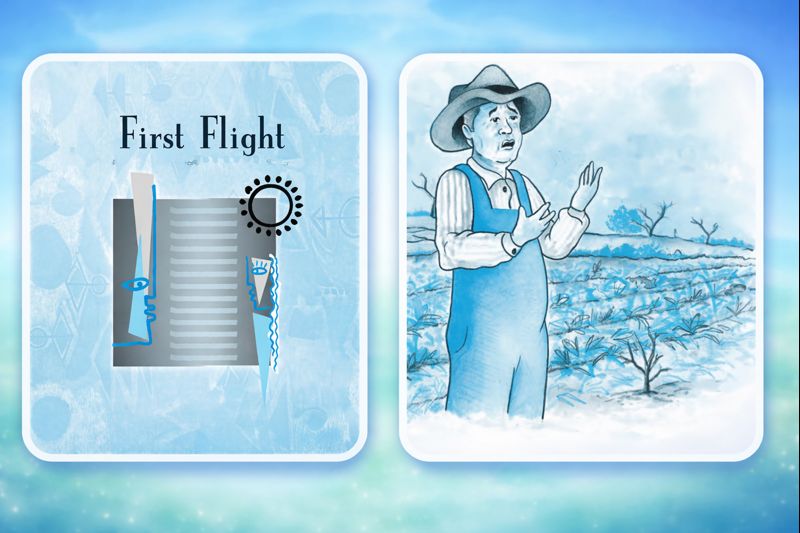
This chapter shows how Lencho, a hardworking farmer, loses his crops to a terrible storm and turns to God for help. His simple faith leads him to write a letter asking for money. Though help does come, it arrives in an unexpected way and creates a powerful moment of irony at the end.
The house — the only one in the entire valley — stood on the crest of a low hill. From there, Lencho could see the river and his fields of ripe corn dotted with flowers that promised a good harvest. All the land needed was rain. Throughout the morning, Lencho kept watching the sky toward the north-east. Confident, he told his wife, “Now we’re really going to get some water.” During dinner, big drops of rain finally began to fall. Lencho stepped outside just to feel the rain on his body. He laughed with joy and said, “These aren’t raindrops… they are new coins.” To him, the big drops were like ten-cent pieces and the smaller ones like fives. The field looked beautiful, covered in a curtain of rain, and hope filled his heart.
Yes, rain came—but suddenly everything changed. A strong wind began to blow, and with the rain came large hailstones that looked like silver coins. The boys ran out to collect the frozen pearls, but the storm only grew worse. For an entire hour, hail fell on the house, the garden, the hillside, and the cornfield. When it stopped, the field was white, as if covered with salt. Not a single leaf remained on the trees. The corn was totally destroyed, and the flowers were gone. Lencho stood silently in the field, his heart full of sadness. He told his sons that even a plague of locusts would have left more than this. That night, the house was filled with sorrow. Everyone feared hunger. Yet, deep inside, there was one strong hope left—help from God.
All night, Lencho thought only of God, whose eyes, he believed, saw everything, even what lay deep in a person’s conscience. Though he worked like an ox in the fields, Lencho knew how to write. The next Sunday at daybreak, he wrote a letter addressed simply “To God.” In it, he wrote, “If you don’t help me, my family and I will go hungry this year.” He asked for one hundred pesos to sow his field again and survive until the next crop. He carried the letter to town and dropped it into the post office mailbox. The postman and the postmaster laughed when they saw the letter, but the postmaster quickly became serious. Touched by Lencho’s faith, he said he wished he had such belief. To protect that faith, he decided to answer the letter.
No, the postmaster could not collect the full amount. Still, he gathered money from his employees, friends, and part of his own salary. Together, they managed only seventy pesos. The postmaster placed the money in an envelope, addressed it to Lencho, and signed it with one word—“God.” The next Sunday, Lencho came early to the post office. He showed no surprise on receiving the letter. But when he counted the money, he became angry. God could not have made a mistake. Immediately, he wrote another letter. This time he said that only seventy pesos had reached him and asked God to send the rest—but not through the mail, because “the post office employees are a bunch of crooks.”
Lencho – simple and hardworking – a farmer who has complete faith in God
The postmaster – kind and generous – helps Lencho without revealing the truth
This story teaches you that true faith can be powerful and unshaken, but it also reminds you how human kindness often works quietly behind the scenes. Sometimes, help comes exactly as you ask—just not in the way you expect.
a letter to god Hindi Summary
क्या तुमने कभी किसी पर इतना गहरा भरोसा किया है कि तुम्हें पूरा यकीन हो गया हो कि मदद हर हाल में मिलेगी? अगर तुम्हारे पूरे साल का खाना उसी भरोसे पर टिका हो, तो क्या होगा? यह कहानी एक गरीब किसान की है, जिसने पूरे दिल से विश्वास किया कि भगवान उसके पत्र का जवाब ज़रूर देंगे।
यह अध्याय दिखाता है कि कैसे लेन्चो, एक मेहनती किसान, भयानक तूफ़ान में अपनी फ़सल खो देता है और मदद के लिए भगवान की ओर देखता है। उसका सच्चा और सरल विश्वास उसे पैसे माँगने के लिए एक पत्र लिखने तक ले जाता है। मदद सच में आती है, लेकिन एक अनपेक्षित तरीके से, और अंत में एक गहरी विडंबना का पल सामने आता है।
घर — जो पूरी घाटी में अकेला था — एक छोटी पहाड़ी की चोटी पर बना था। वहाँ से लेन्चो नदी और अपनी पकी हुई मक्का की फ़सल देख सकता था, जिसमें लगे फूल अच्छी पैदावार का वादा कर रहे थे। ज़मीन को बस बारिश की ज़रूरत थी। पूरी सुबह लेन्चो उत्तर-पूर्व की ओर आसमान को देखता रहा। पूरे भरोसे से उसने अपनी पत्नी से कहा, “अब सच में पानी मिलने वाला है।” खाने के समय आखिरकार बारिश की बड़ी-बड़ी बूँदें गिरने लगीं। लेन्चो सिर्फ़ बारिश को अपने शरीर पर महसूस करने के लिए बाहर चला गया। वह खुशी से हँसा और बोला, “ये बारिश की बूँदें नहीं हैं… ये तो नए सिक्के हैं।” उसे बड़ी बूँदें दस सेंट के सिक्कों जैसी और छोटी बूँदें पाँच सेंट की लग रही थीं। बारिश की चादर में ढका खेत बहुत सुंदर लग रहा था और उसके दिल में उम्मीद भर गई।
हाँ, बारिश आई — लेकिन अचानक सब कुछ बदल गया। तेज़ हवा चलने लगी और बारिश के साथ बड़े-बड़े ओले गिरने लगे, जो चाँदी के सिक्कों जैसे दिख रहे थे। लड़के जमे हुए मोतियों को इकट्ठा करने के लिए बाहर दौड़ पड़े, लेकिन तूफ़ान और भी भयानक हो गया। पूरे एक घंटे तक ओले घर, बगीचे, पहाड़ी और मक्का के खेत पर गिरते रहे। जब ओले थमे, तो खेत ऐसे सफ़ेद दिख रहे थे जैसे उन पर नमक बिखरा हो। पेड़ों पर एक भी पत्ता नहीं बचा। मक्का पूरी तरह नष्ट हो चुकी थी और फूल गायब थे। लेन्चो चुपचाप खेत में खड़ा रहा, उसका दिल गहरे दुख से भरा था। उसने अपने बेटों से कहा कि टिड्डियों का हमला भी इससे ज़्यादा छोड़ जाता। उस रात घर में केवल उदासी थी। सबको भूख का डर था। फिर भी, दिल के किसी कोने में एक मजबूत उम्मीद बाकी थी — भगवान की मदद।
पूरी रात लेन्चो सिर्फ़ भगवान के बारे में सोचता रहा, जिनकी आँखें, उसके विश्वास के अनुसार, सब कुछ देखती हैं, यहाँ तक कि इंसान के अंतरात्मा में छिपी बातों को भी। वह खेतों में बैल की तरह काम करता था, फिर भी उसे लिखना आता था। अगले रविवार सुबह-सुबह उसने एक पत्र लिखा, जिस पर सिर्फ़ इतना लिखा था — “भगवान के नाम।” उसमें उसने लिखा, “अगर आपने मेरी मदद नहीं की, तो इस साल मेरा परिवार और मैं भूखे मर जाएँगे।” उसने खेत दोबारा बोने और अगली फ़सल आने तक ज़िंदा रहने के लिए एक सौ पेसो माँगे। वह पत्र शहर ले गया और उसे डाकघर के डिब्बे में डाल दिया। पत्र देखकर डाकिया और पोस्टमास्टर हँस पड़े, लेकिन पोस्टमास्टर तुरंत गंभीर हो गया। लेन्चो के विश्वास से प्रभावित होकर उसने कहा कि काश उसके पास भी ऐसा भरोसा होता। उस विश्वास को टूटने से बचाने के लिए उसने पत्र का जवाब देने का फ़ैसला किया।
नहीं, पोस्टमास्टर पूरी रकम इकट्ठा नहीं कर सका। फिर भी, उसने अपने कर्मचारियों, दोस्तों और अपनी तनख़्वाह से कुछ पैसे जुटाए। सब मिलाकर केवल सत्तर पेसो ही हो पाए। पोस्टमास्टर ने पैसे एक लिफ़ाफ़े में रखे, उसे लेन्चो के नाम भेजा और नीचे सिर्फ़ एक शब्द लिखा — “भगवान।” अगले रविवार लेन्चो जल्दी डाकघर पहुँच गया। पत्र देखकर उसे ज़रा भी हैरानी नहीं हुई। लेकिन जब उसने पैसे गिने, तो वह गुस्सा हो गया। भगवान गलती नहीं कर सकते थे। तुरंत उसने एक और पत्र लिखा। इस बार उसने लिखा कि उसे सिर्फ़ सत्तर पेसो मिले हैं और बाकी भेजने को कहा — लेकिन डाक से नहीं, क्योंकि “डाकघर के कर्मचारी सब चोर हैं।”लेन्चो – सरल और मेहनती – एक किसान जिसे भगवान पर पूरा विश्वास हैपोस्टमास्टर – दयालु और उदार – बिना सच बताए लेन्चो की मदद करता हैयह कहानी तुम्हें सिखाती है कि सच्चा विश्वास बहुत गहरा और अडिग हो सकता है, और यह भी याद दिलाती है कि इंसानी अच्छाई अक्सर चुपचाप परदे के पीछे काम करती है। कई बार मदद ठीक वैसे ही आती है जैसी तुम माँगते हो — बस उस तरीके से नहीं, जैसा तुम सोचते हो।
a letter to god Keywords (with meanings):
Lencho – a poor farmer with very strong faith in God.
Farmer – a person who grows crops in the fields for his living.
Valley – low land between hills where Lencho’s house and fields are seen.
House – Lencho’s small home, the only one in the entire valley.
Corn – Lencho’s main crop growing in his fields, ready for harvest.
Harvest – time when the ripe crop is cut and collected.
Rain – the water from clouds that Lencho needs to save his crop.
Hail / hailstones – small balls of ice that fall and destroy the crop.
Storm – bad weather with strong wind, rain, and hail.
Locusts – insects that can destroy crops very quickly.
Hunger – fear of having no food after the crop is ruined.
Faith – strong belief or trust that God will help.
God – the higher power Lencho writes to for help.
Letter – the written request Lencho sends to God.
Envelope – paper cover in which Lencho puts his letter.
Address – words written on the envelope to show it is meant for God.
Post office – place where letters are collected and sent.
Postman – the man who collects and delivers letters.
Postmaster – the head of the post office who decides to help Lencho.
Pesos – the money Lencho asks for to restart his farming.
Charity – giving money to help someone in need.
Crooks – people who are seen as cheats or thieves.
a letter to god Important Phrases:
- “the only house in the entire valley”
- “the corn field dotted with the flowers”
- “the earth was fresh and green”
- “at least a shower”
- “big drops of rain began to fall”
- “the big drops are ten-cent pieces and the little ones are fives”
- “a strong wind began to blow”
- “frozen pearls”
- “a plague of locusts would have left more than this”
- “there was a single hope”
- “there was no one else who could help”
- “No one dies of hunger”
- “an ox of a man”
- “in the name of God”
- “an act of charity”
- “the postmaster himself, a fat, amiable fellow”
- “the following Sunday”
- “such was his confidence”
- “greater faith than man’s in God”
- “a bunch of crooks”
a letter to god question answer
Text based questions and Answers
Q1. Does Lencho’s letter reach God?
Answer: Lencho’s letter does not literally reach God, but it reaches the post office, where the postmaster and employees read it. They are touched by Lencho’s faith and decide to help by sending money. This shows that Lencho’s faith is so strong that people act like God’s helpers.
Q2. Does God send him the money?
Answer: God does not send the money directly. Instead, the postmaster and workers collect money secretly and send it to Lencho, signing the envelope as if it is from God. This act shows human kindness answering Lencho’s prayer in a practical way.
Q3. Have you ever sent or received money in this way?
Answer: This question asks you to think about your own experience with sending or receiving money through a post office or money order. Many people have used this safe and official method to send money to family or friends far away.
Q4. Who or what did Lencho have faith in? What did he do?
Answer: Lencho had complete faith in God. Even after the hail ruined his crops, he wrote a letter directly to God asking for money to plant again. This shows his strong trust and hope in God’s help.
Q5. Who read the letter?
Answer: The letter was read by the postman and the postmaster at the post office. They understood Lencho’s faith and decided to help him by raising money.
Q6. What did the postmaster do then?
Answer: The postmaster collected money from his employees and friends to help Lencho because he respected Lencho’s faith. He sent the money in an envelope signed “God,” to keep Lencho’s hope alive.
Q7. Was Lencho surprised to find a letter for him with money in it?
Answer: No, Lencho was not surprised because he believed God would answer his letter. His faith was so strong that he expected to receive help from God.
Q8. What made him angry?
Answer: Lencho got angry when he saw the money was less than what he requested. He believed the only explanation was that the post office employees had stolen part of it.
Q9. Who does Lencho have complete faith in? Which sentences in the story tell you this?
Answer: Lencho has complete faith in God. The story says, “What faith! I wish I had the faith of the man who wrote this letter,” showing how strong his belief is. Lencho writes confidently and trusts God to help him.
Q10. Why does the postmaster send money to Lencho? Why does he sign the letter God?
Answer: The postmaster sends money because he is touched by Lencho’s faith and wants to help. He signs the letter “God” so Lencho’s belief is not broken, showing respect for his deep trust.
Q11. Did Lencho try to find out who had sent the money to him? Why or why not?
Answer: No, Lencho did not try to find out who sent the money. He believed only God could have sent it, showing his unquestioning faith and hope.
Q12. Who does Lencho think has taken the rest of the money? What is the irony in the situation?
Answer: Lencho thinks the post office employees stole some money. The irony is that those employees actually raised and sent the money to help him, acting like angels but being wrongly accused.
Q13. Are there people like Lencho in the real world? What kind of person would you say he is?
Answer: Yes, there are people like Lencho in real life who have simple, strong faith. He is not greedy or selfish but naive and unquestioning in his belief, which shows innocence and hope in difficult times.
Q14. There are two kinds of conflict in the story – between humans and nature, and between humans themselves. How are these conflicts illustrated?
Answer: The conflict with nature is shown by the hailstorm destroying Lencho’s crops. The human conflict is shown by Lencho’s suspicion against the post office employees, showing misunderstanding between people.
Q15. Can you match the names in the box with their descriptions below, and fill in the blanks? (Storm types: gale, hurricane, whirlwind, cyclone, tornado, typhoon)
Answer: (Example match)
Cyclone – A violent tropical storm with strong circular winds.
Gale – An extremely strong wind.
Hurricane – A violent tropical storm with very strong winds.
Tornado – A violent storm with a funnel-shaped cloud.
Typhoon – A strong storm in the western Pacific or Indian Ocean.
Whirlwind – A strong wind moving in a spinning motion causing damage.
Q16. Match the sentences in Column A with the meanings of hope in Column B.
Answer: (Example match)Sentence using hope as a verb means wishing for something to happen.
Sentence with hope as a noun means having a chance or expectation of something happening.
Q17. Join the sentences given below using who, whom, whose, which, as suggested.
Answer: This exercise asks you to combine sentences using relative pronouns to give additional information, such as:
“Mumbai, which is the commercial capital of India, is a big city.”
“My mother, who cooks well, is going to host a TV show.”
Q18. Find sentences in the story with negative words, which express the following ideas emphatically:
The trees lost all their leaves.
The letter was addressed to God himself.
The postman saw this address for the first time in his career.
Answer: These sentences use words like “no,” “nothing,” or “not” to strongly emphasize the situation or idea.
Q19. In pairs, find metaphors from the story to complete the Object Metaphor table.
Answer: Examples of metaphors include:
Clouds are “huge mountains.”
Raindrops are “new coins.”
Lencho described as “an ox of a man” to show his strength.
Q20. Have you ever been in great difficulty, and felt that only a miracle could help you? How was your problem solved?
Answer: This question is personal. It encourages sharing an experience where hope or faith helped overcome a difficult situation, just like Lencho’s faith helped him in the story.
a letter to god Grammar
- Do as directed: Fill in the blank with the correct tense form of the verb in brackets.
- Lencho ________ (watch) the sky carefully every day before the hailstorm began.
- Do as directed: Change the following sentence into passive voice.
- Lencho wrote a letter to God asking for money.
- Do as directed: Change the following sentence into indirect (reported) speech.
- The postmaster said, “We will send money to Lencho to help him.”
- Do as directed: Fill in the blanks with appropriate articles (a, an, or the).
- There was ______ house on the hill and ______ field of ripe corn beside it.
- Do as directed: Fill in the blank with the correct preposition.
- Lencho put the letter ______ the envelope and addressed it to God.
- Do as directed: Use the correct modal verb (must, should, can, may) to complete the sentence.
- Lencho ______ be very hopeful to believe that God would answer his letter.
- Do as directed: Combine the sentences using “because.”
- It began to hail. The crops were destroyed.
- Do as directed: Change the question into a negative sentence.
- Did Lencho receive the full amount of money he asked for?
- Do as directed: Spot and correct the error in the sentence.
- Lencho writes a letter to the God to ask for help.
- Do as directed: Fill in the blanks with suitable words from the chapter.
- The hailstones looked like _______ and the rain was called “________”.
- Do as directed: Change into a question.
- Lencho believed that God would help him.
- Do as directed: Change the following sentence from active to passive voice.
- The postmaster collected money from his friends and employees.
- Do as directed: Report the sentence in indirect speech.
- Lencho said, “No one dies of hunger.”
- Do as directed: Fill in the blank with the correct article.
- He sent the letter through ______ post office.
- Do as directed: Rewrite the sentence using a comparative form.
- The hailstorm was stronger than any other storm Lencho had seen before.
- Here is Grammar question answers:
- watched
- A letter was written to God by Lencho asking for money.
- The postmaster said that they would send money to Lencho to help him.
- a, a
- in
- must
- The crops were destroyed because it began to hail.
- Lencho did not receive the full amount of money he asked for.
- Remove “the” before God: Lencho writes a letter to God to ask for help.
- coins, rain
- Did Lencho believe that God would help him?
- Money was collected from the postmaster’s friends and employees.
- Lencho said that no one dies of hunger.
- the
- The hailstorm was stronger than any other storm Lencho had seen.
a letter to god Short Answer Questions:
Q1. Who did Lencho write a letter to, and why?
- Ans :Lencho wrote a letter to God asking for one hundred pesos.
- He did this because his crops were destroyed by a hailstorm and he needed money to plant again.
Q2. What happened to Lencho’s crops?
- Ans :A hailstorm destroyed the entire crop.
- Hailstones fell like “frozen pearls” and covered the fields, leaving nothing for harvest.
Q3. How did the postmaster react to Lencho’s letter?
- Ans :The postmaster was deeply touched by Lencho’s faith.
- He collected money with help from his employees to send Lencho.
Q4. What was Lencho’s reaction when he received the money?
- Ans: Lencho was confident and not surprised to get the money.
- But he became angry when he counted less than he requested and blamed the post office employees.
a letter to god Long Answer Questions:
Q1. Describe Lencho as a character.
- Ans: Lencho is a hardworking, simple farmer who lives in a small house on a hill.
- He has great faith in God, believing strongly that God will help him in times of trouble.
- Despite losing everything, he does not lose hope and takes action by writing a letter.
- His faith is so strong it moves the postmaster and employees to help him, showing his inspiring trust and innocence.
Q2. What is the main theme of the story “A Letter to God”?
- Ans :The story explores the power of faith and hope in difficult times.
- It shows how belief in God can give courage to face hardship, even when things seem hopeless.
- It also highlights human kindness, as the postmaster’s charity responds to Lencho’s prayer.
- At the same time, it compares faith with human misunderstanding, seen in Lencho blaming the post office workers unfairly.
Q3. How does the story illustrate conflict between humans and nature?
- Ans : Nature’s conflict is shown by the hailstorm destroying Lencho’s crops, threatening his family’s survival.
- This illustrates how people’s lives can be easily affected by natural forces beyond their control.
- It also shows human resilience and faith in facing these harsh realities.
a letter to god Extract-Based Question:
Q1. [Translate: “The big drops are ten-cent pieces and the little ones are fives.”]
a)Who is speaking here?
Ans: Lencho is speaking as he compares raindrops to coins because they represent hope and prosperity for him.
b)What does this metaphor mean?
Ans: The raindrops symbolize money and blessings; every drop means food and financial help for Lencho’s family.
c)Why is this comparison important?
Ans :It shows Lencho’s excitement and trust that rain will bring him wealth, highlighting the value of nature’s gifts.
FAQs
Q1. What is the setting of the story A Letter to God and why is it important?
The story is set in a valley where Lencho’s house stands alone on a hill. This setting highlights his isolation, dependence on nature, and complete faith in God for survival.
Q2. Who is Lencho and what kind of person is he?
Lencho is a poor, hardworking farmer with complete faith in God. He is simple, honest, and hopeful, believing that God will always help him in times of trouble.
Q3. What destroyed Lencho’s crops and how is it described in the story?
A severe hailstorm destroyed Lencho’s crops. The hailstones are described as frozen pearls, and the fields turn white like they are covered with salt.
Q4. Why did Lencho write a letter to God instead of asking people for help?
Lencho believed that only God could help him. His faith was so strong that he trusted God more than people and expected a direct answer to his letter.
Q5. How much money did Lencho ask for and why did he need it?
Lencho asked for one hundred pesos. He needed the money to sow his fields again and support his family until the next harvest.
Q6. How did the postmaster react after reading Lencho’s letter?
The postmaster was deeply moved by Lencho’s faith. He decided to help by collecting money from his friends and employees to keep Lencho’s belief alive.
Q7. Why did the postmaster sign the letter as God?
The postmaster signed the letter as God so that Lencho’s faith would not break. He wanted Lencho to believe that God had answered his prayer.
Q8. Why did Lencho become angry after receiving the money?
Lencho received only seventy pesos instead of one hundred. He believed God could not make a mistake and assumed the post office employees had stolen the rest.
Q9. What is the main irony in A Letter to God?
The irony is that Lencho accuses the post office employees of being crooks, even though they are the ones who helped him by sending the money.
